In 1992, workers on a Toyota auto-parts factory floor in Japan scanned dozens of barcodes on each component. The pileup of labels made routine tracking needlessly repetitive.
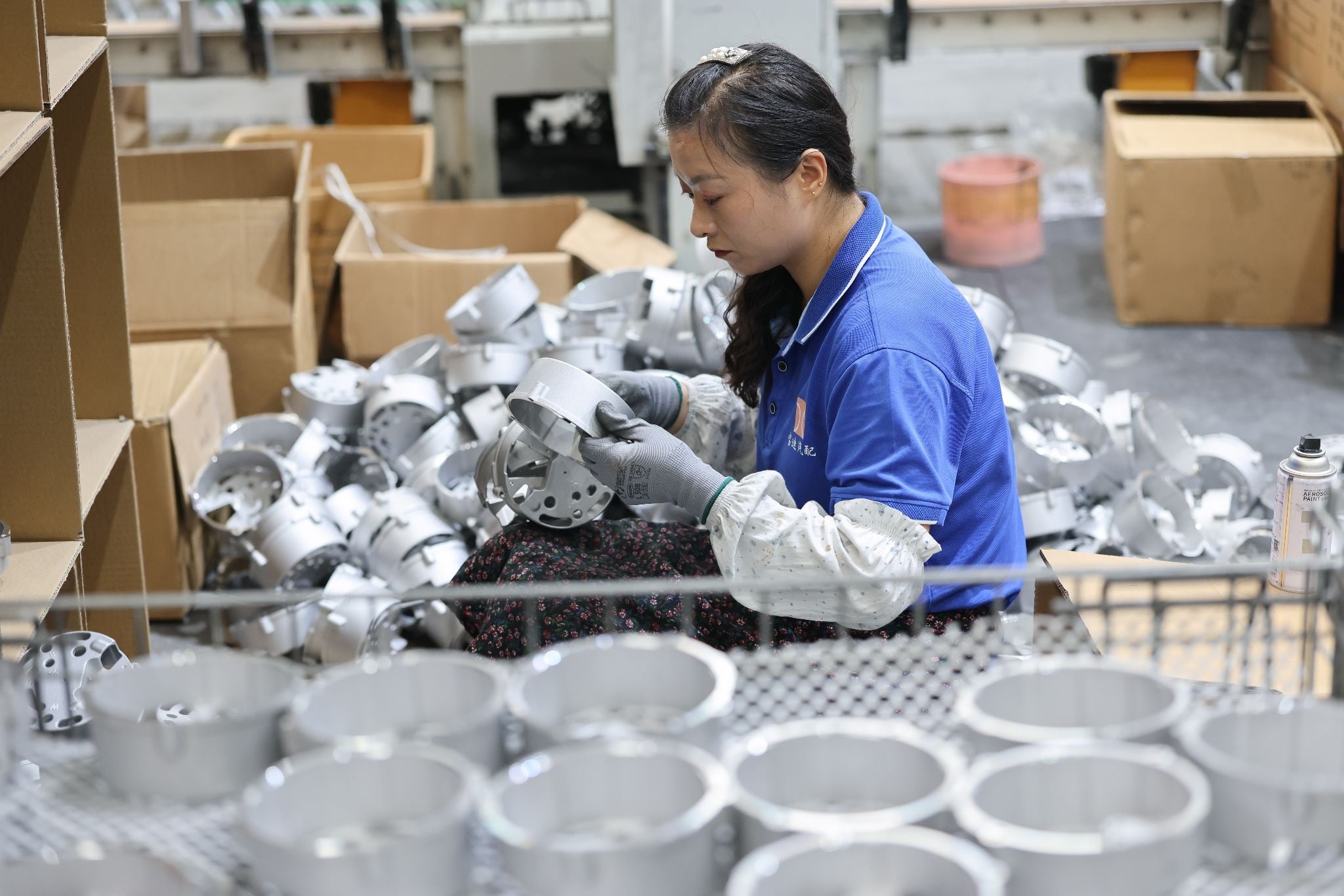
The source says workers scanned barcodes attached to components. The photo shows the factory setting; the individual codes are not clearly visible.
Denso engineer Masahiro Hara drew inspiration from the grid and contrasting stones of Go. He designed a two-dimensional code that could be read from any angle and hold about 200 times more data than the one-dimensional barcodes then in use. After a year and a half of development, Denso patented the design but released its specifications royalty-free; the QR code was born.
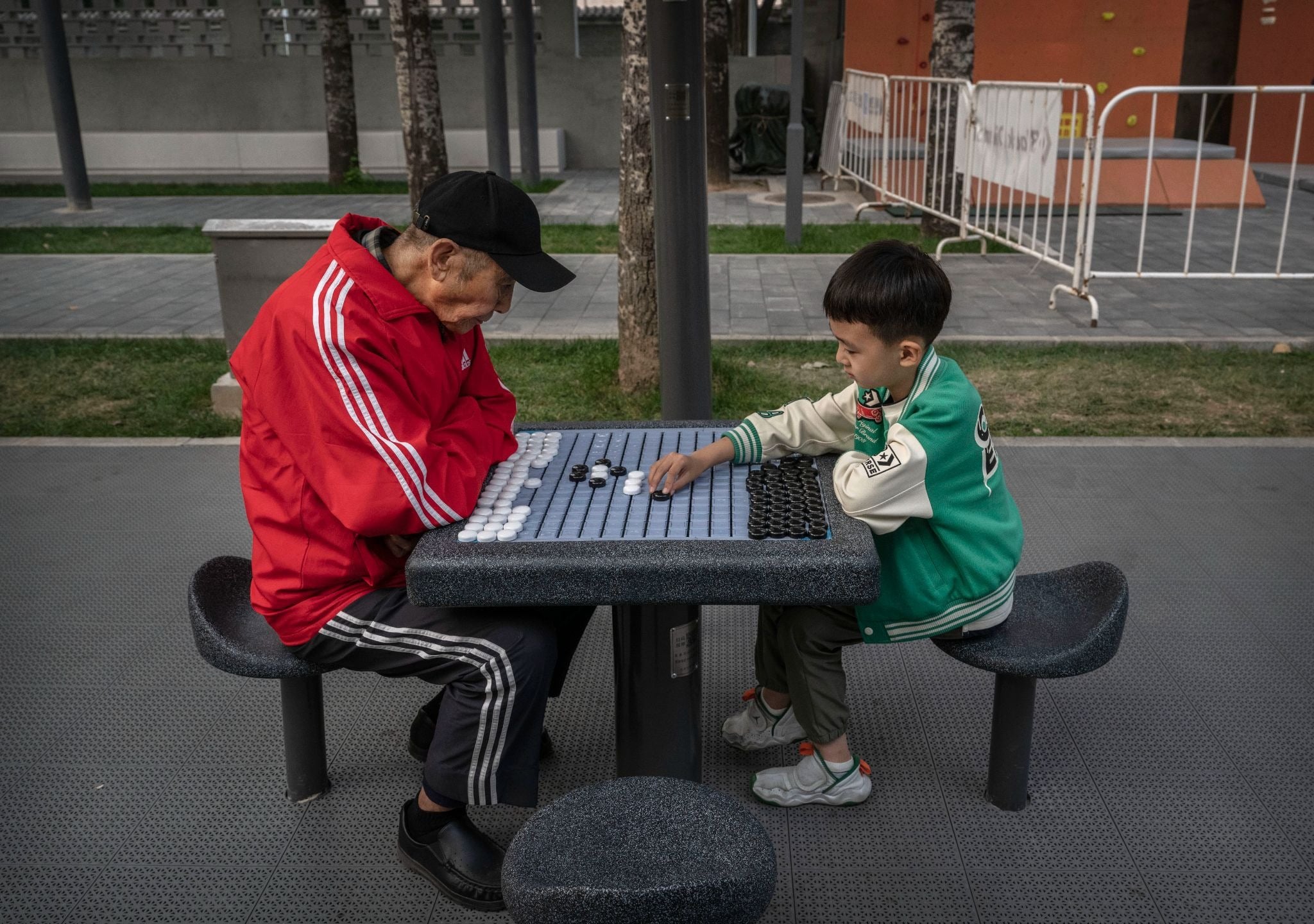
The Hustle says Hara drew on Go’s grid and contrasting stones when developing the 2D code; this photo illustrates that reference, not Hara’s original workplace.
For five decades, the Universal Product Code (UPC) became the dominant retail standard through a network effect: retailers expected UPCs, manufacturers printed them, and stores bought scanners. GS1, successor to the Uniform Code Council, issues company prefixes and charges annual fees for them.
GS1's Sunrise 2027 initiative is preparing retailers to scan two-dimensional codes such as QR codes at checkout. It signals an industry transition, not a government order to eliminate UPC barcodes in 2027. The Hustle links the push to food recalls and the need for more detailed supply-chain traceability.
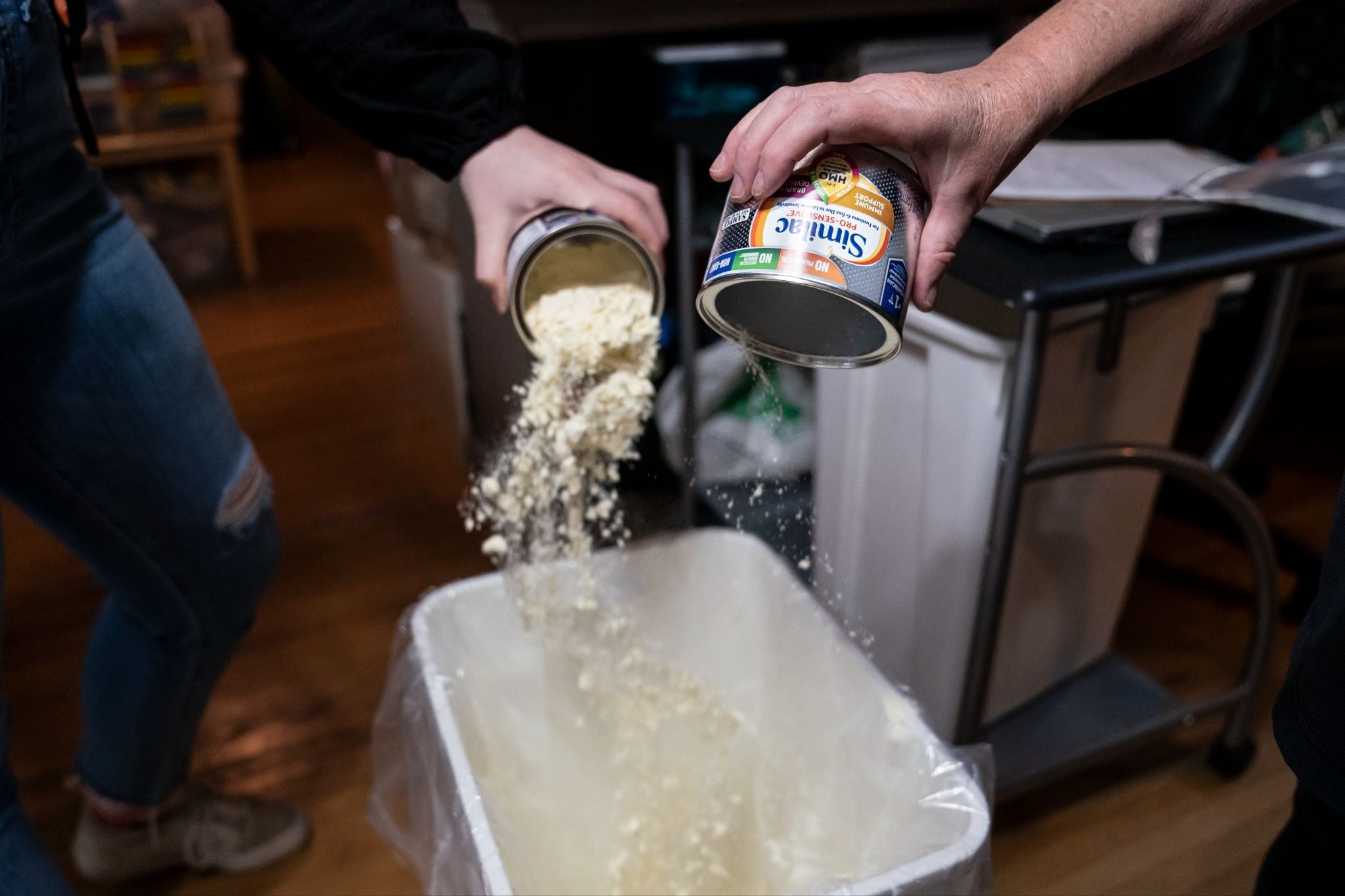
The Hustle cites the 2021 infant-formula recall as an example of why traceability matters; this photo illustrates the recall context, not the QR-code system.
Unlike a basic product identifier, a QR code can link shoppers and retailers to information about a product's origin, authenticity, ingredients, allergens, expiry, environmental impact, care, and disposal. The same code can be used at checkout, in a stockroom, and by consumers. Business strategist Kate Hardcastle says nearly half of the retailers surveyed with GS1 had begun adding QR capability, and 79% of surveyed consumers preferred QR codes when they wanted useful information at hand.
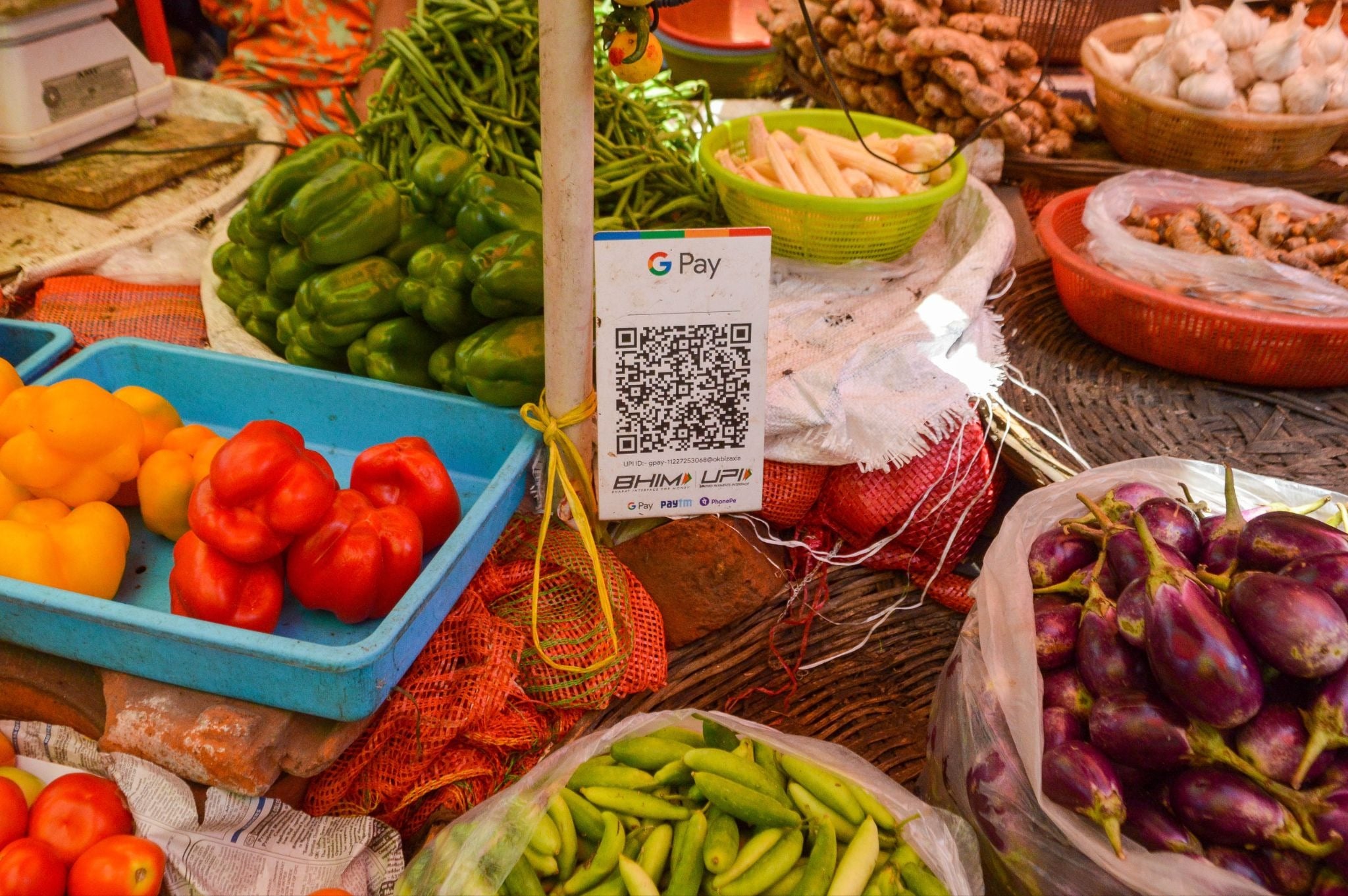
The photo illustrates how QR codes already appear in retail settings. Its visible UPI payment label is distinct from the product-linked 2D codes discussed in the article.
The change requires more than printing a square on a package: barcode systems, tracking databases, and label designs also need updates. During the transition, GS1 says products should carry both the old barcode and the QR code within 50 millimeters of each other. Unilever's upgrade of 45,000 product variants across brands including Dove and Vaseline shows the scale of the work; smaller brands may find the cost harder to absorb.
The rollout still leaves practical questions, including who will check that codes resolve to accurate, working pages and whether numeric identifiers will help inventory tracking. QR codes offer richer product links, but UPCs are expected to coexist during the transition; the source does not establish that ordinary barcodes will disappear on a fixed date.