Between February and July 2026, British Transport Police conducted a six‑month trial of live facial recognition (LFR) at some of London’s busiest railway stations, scanning more than half a million faces during 18 deployments. The operation cost £320,786 in equipment hire and police staffing and consumed almost 100 hours of officers’ time, yet it generated only a single alert—a false positive match against a watchlist—and resulted in no arrests.
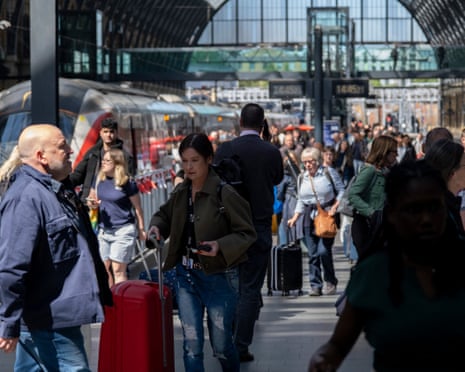
The image shows the setting of the live facial recognition trial conducted by British Transport Police at London's busiest railway stations, including King's Cross.
The system works by comparing live camera feeds to a police watchlist and issuing an alert when a match is found. BTP said the watchlist had been built deliberately, with attention to data quality, governance and safeguarding arrangements. After the trial was extended for four months and expanded to include London Underground stations, the force reported three positive confirmed alerts involving people who were later verified to be complying with sexual harm prevention orders or other court conditions, although these did not lead to arrests.
Critics have questioned the proportionality and privacy implications of the technology. Former biometrics commissioner Fraser Sampson warned that deployments must be proportionate and that success for police means actually catching people, something the station trial did not demonstrate. Labour MP Bell Ribeiro‑Addy called for a suspension of LFR rollout until stronger safeguards and a proper legal framework are in place, echoing a parliamentary joint committee on human rights that labelled the technology’s expansion a “particularly clear example of risk.” Despite these concerns, the Metropolitan Police and the Mayor’s Office have announced plans to install fixed LFR cameras in London’s West End and on the newly pedestrianised Oxford Street.