The project began with a 10th‑generation Kindle Basic that had been sitting unused. Initial attempts to run custom software used GPT‑5.6 Sol with extra‑high reasoning, but the agent could not establish a filesystem for data storage on the device. Subsequent tries with Fable 5.1 and Opus 5.5 were halted after two prompts each by Anthropic’s cybersecurity safeguards. Switching to GPT‑6 Astra with high reasoning effort finally allowed the agent to load a helper, adapt an existing jailbreak from the SpiderCat project, and create the KindleCTL toolchain for Wi‑Fi‑based command execution, file transfer and error inspection without a USB connection.
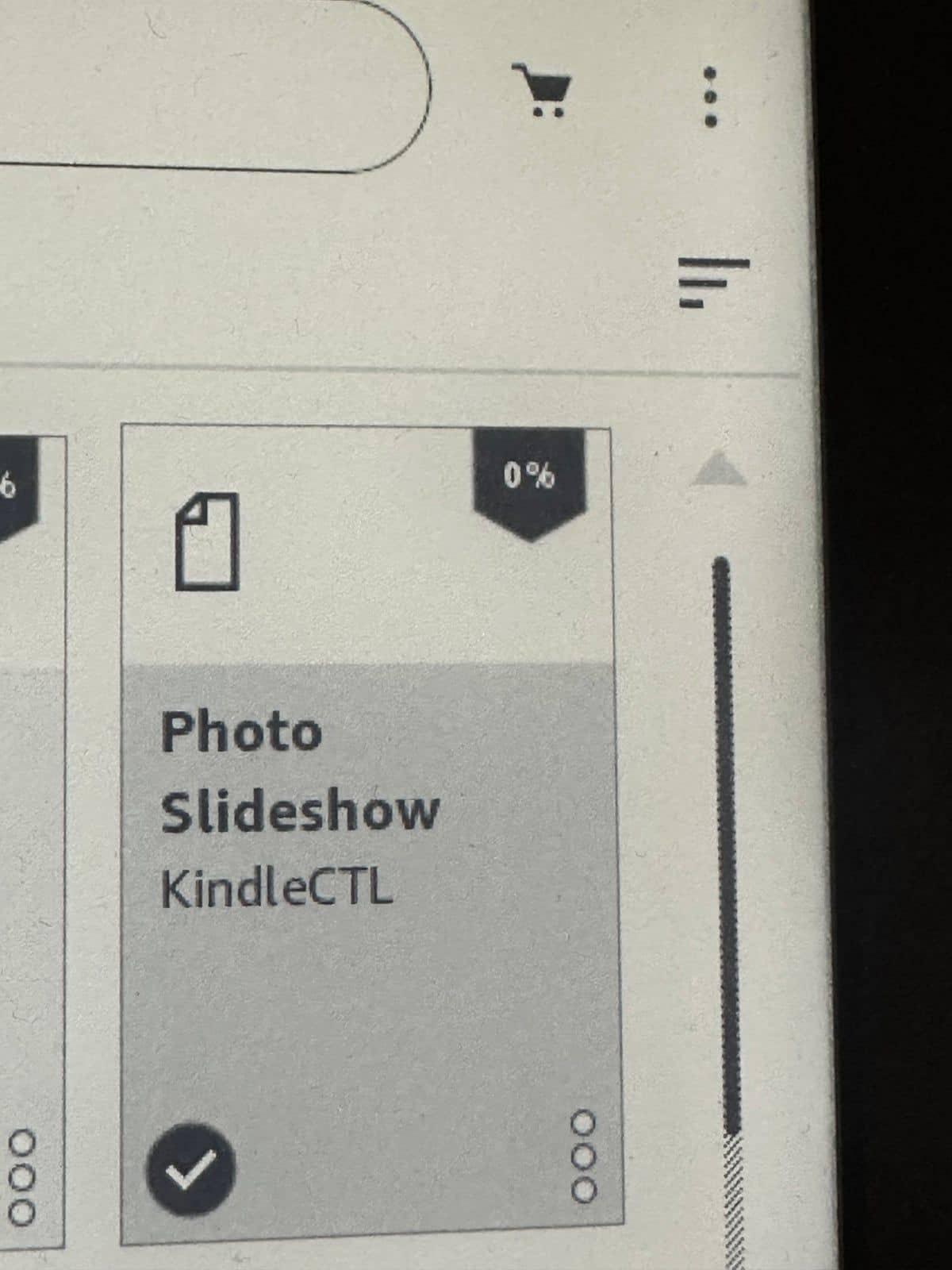
This image depicts the KindleCTL application installed in the Kindle's library, confirming that the custom toolchain for Wi‑Fi‑based command execution and file transfer was deployed to the Kindle.
To make development efficient, the developer first had the agent request screenshots of the Kindle’s display to diagnose problems. Recognizing the tedium, they asked the agent to set up a feedback loop that would give it direct access to device logs and remote screen captures. This persistent diagnostic connection let the agent test fixes autonomously. When the slideshow exhibited ghosting between images, the agent investigated and used the Kindle’s built‑in screen refresh mechanism—a full‑screen clear—to erase the previous image after each slide change, ensuring clean transitions in the ten‑photo slideshow that shows each picture for four minutes.
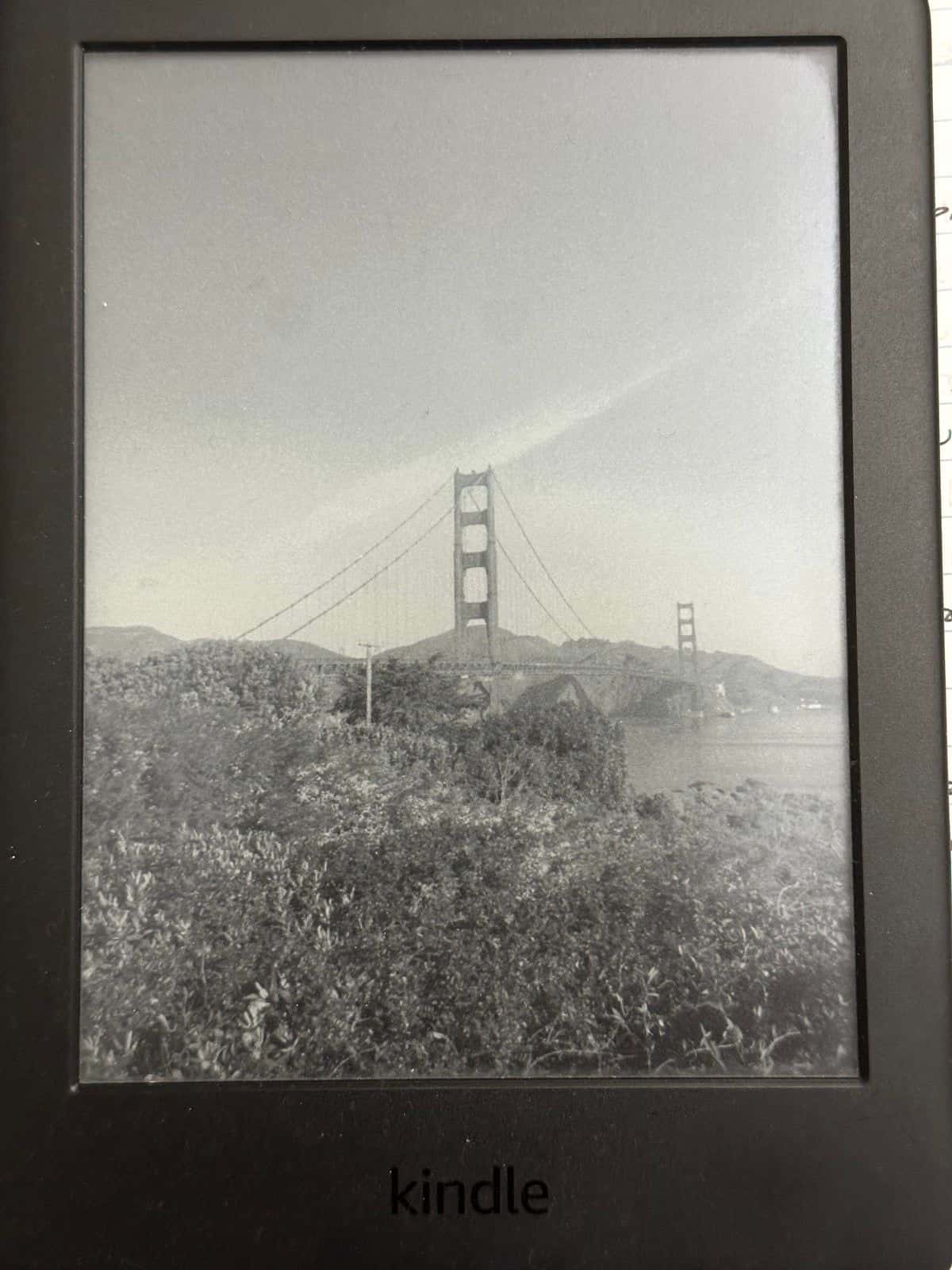
This image shows the Kindle displaying a sample photo from the slideshow, demonstrating the successful custom photo frame application built using GPT‑6 Astra and KindleCTL.
The finished slideshow stores its images locally on the Kindle, so it continues to run without Wi‑Fi and retains its place in the rotation when the device sleeps and wakes. While the developer still uses a MacBook to change the photo set or timing, the core application operates independently. This contrasts with simpler KUAL‑based extensions such as the labs‑kindle‑artframe project, which rotate images on a timer with deep‑sleep between changes and lack interactive controls or customizable timing, illustrating how AI‑assisted jailbreaking can enable more flexible, user‑driven Kindle applications beyond static art frames.
This image illustrates the simpler KUAL‑based art frame that the article contrasts with the AI‑assisted KindleCTL slideshow, which offers customizable timing and interactive features.