On the morning of 20 June 2024, Alistair and Simon Gould arrived at their eight‑hectare fishing lake in the High Weald of East Sussex to find the surface carpeted with dead fish. Almost every fish in the 2.4‑hectare lake had perished, including carp, tench, bream, roach, trout and large eels that the family had come to know individually over years of angling. Diane Gould recalled that more than 2,000 fish were dead, with additional fish sunk to the bottom, and described how the eels were climbing out of the lake to die on the banks, an event she called apocalyptic. The loss devastated their angling business, which they estimated had cost them £500,000 in lost income so far, and left deep emotional scars after years of treating the fish as living beings.
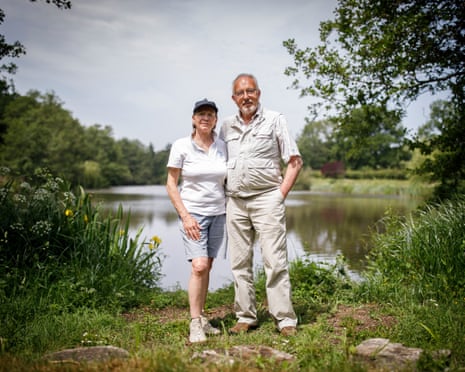
This image shows the lake owners affected by the fish kill, as described in the article's opening paragraph about their discovery and emotional loss.
Tracking the pollution upstream, local ecological consultant Jack followed a contaminated tributary to a slurry lagoon on Morgans Farm, a pit that had been filled in after the incident and covered with waste soil. Water samples taken from the farm showed contaminant levels “off the chart,” and independent laboratory tests in July 2025 still detected unusually high concentrations of heavy metals, ammonia well beyond safe limits for freshwater life, and nitrogen levels toxic to all aquatic life. Jack observed that the waste being tipped onto the farm included low‑grade compressed clay topsoil mixed with slag, chunks of ceramic, red brick, tarmac scalpings, plastic refuse and plasterboard—materials that are toxic to aquatic life and require special licensing for storage and use on farmland. The nutrient load fed a bacterial colonisation explosion that depleted oxygen in the water, causing fish, especially older and larger specimens, to suffocate.
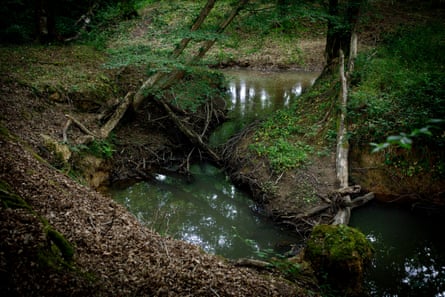
Illustrates the pollution route described when Jack followed the contaminated tributary to the slurry lagoon on Morgans Farm.
The Furnace Brook case mirrors a national crisis in England’s waterways, where government statistics from 2025 show only 14% of rivers and lakes achieve good ecological status, and every one of those remains polluted with chemicals. Illegal dumping has become a separate scandal, exemplified by a 150‑metre mountain of rubbish found in Kidlington, Oxfordshire, and 35,000 tonnes of waste dumped in Hoad’s Wood, Kent, which cost an estimated £15 million to clear. Although the Environment Agency declared the fish kill a Category 1 incident—the most severe classification—more than two years later no enforcement action had been taken against Morgans Farm. In the interim, the Goulds have installed their own water‑testing equipment and are working on a plan to restore the landscape while advocating for a more sustainable, nature‑friendly relationship with the countryside.
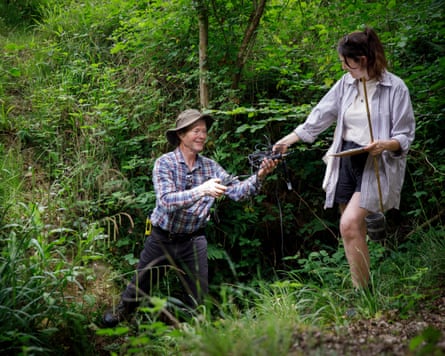
Reflects the water testing mentioned in the article, including the Goulds' own equipment and independent laboratory tests.