The integration of frontier artificial intelligence models into historical research is shifting from simple administrative tasks to active problem-solving. While historians have long used digital tools for data visualization, modern models now demonstrate capabilities in multilingual reasoning, advanced mathematics, and autonomous research across large, disparate datasets. These models are particularly effective in "tractable" historical domains, such as cryptography, tracing text adaptations across languages, and synthesizing information from niche subfields that have not yet been integrated into broader scholarship. For example, researchers have used these models to identify previously unknown sources for Isaac Newton's alchemical translations and to analyze coded marginalia in 17th-century manuscripts. By cross-referencing mathematical patterns in text with historical diaries, AI can identify inconsistencies or confirm the origins of specific intellectual influences. However, the effectiveness of these tools remains constrained by the availability of digitized data and the need for human expertise to verify findings. While AI can process vast archives, the "intuition" required to navigate physical archives—where finding aids may be incomplete or nonexistent—remains a uniquely human skill. Historians develop a holistic understanding of these collections through physical presence and the synthesis of illegible or non-quantifiable data, a process that current AI models cannot yet replicate. Consequently, the most promising path forward involves collaborative efforts where AI acts as a research partner, handling large-scale data synthesis while human historians provide the necessary context, verification, and conceptual framing to ensure the accuracy and significance of the results.
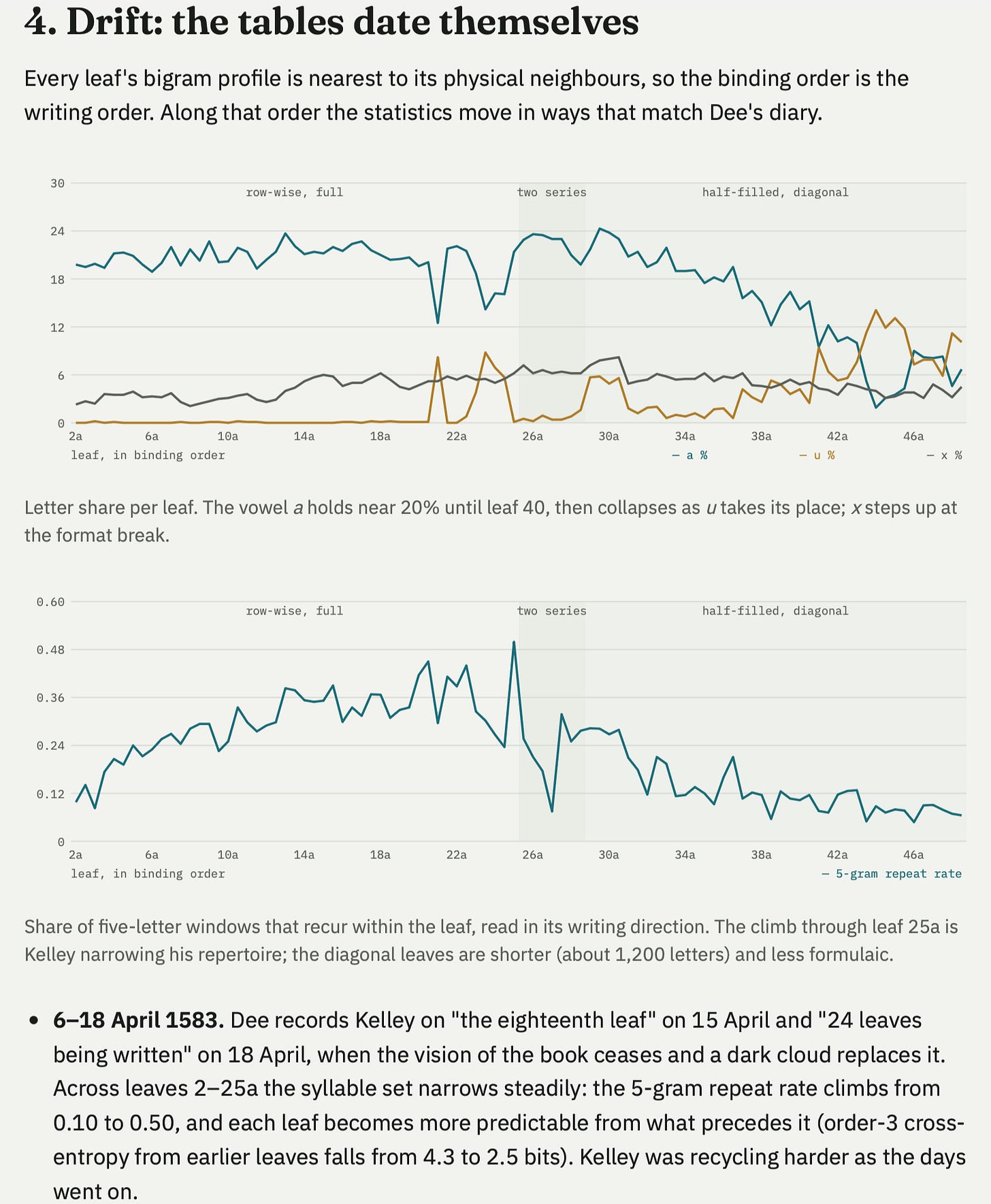
The article highlights how AI models are being used to analyze coded marginalia and mathematical patterns within 17th-century manuscripts to uncover hidden intellectual lineages.
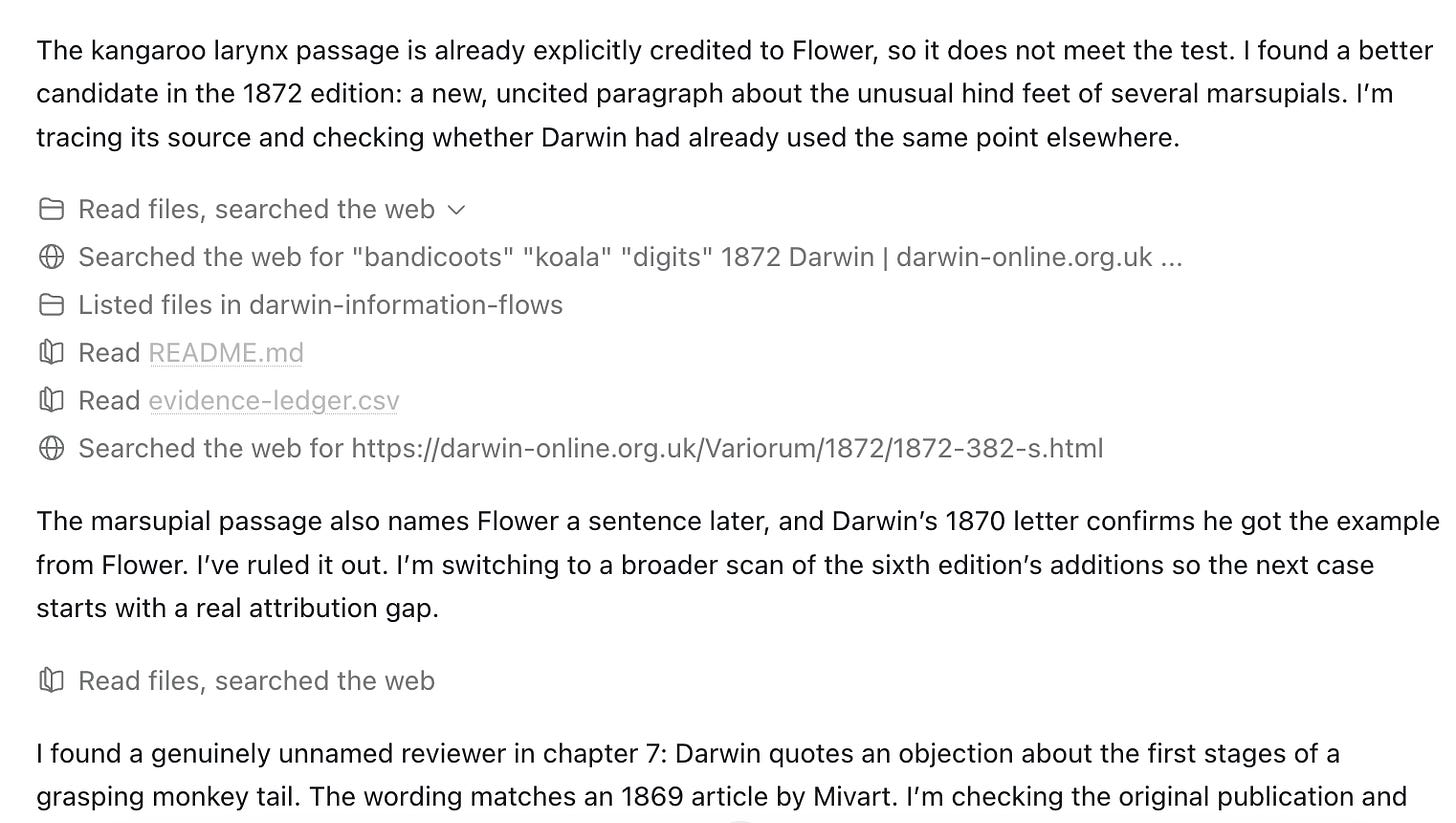
This image illustrates the collaborative process where AI models handle the large-scale synthesis of data, allowing human historians to focus on verification and conceptual framing.