Google's Gemini AI model can identify and reject deceptive advertisements in seconds, yet these same ads have successfully bypassed the company's human review process multiple times. This discrepancy highlights a gap between automated detection capabilities and the manual oversight used to police the Google Ads ecosystem.
Deceptive 'System Alert' Tactics
A specific advertisement appearing in the YouTube app was designed to mimic a native iOS system alert modal. The ad featured standard iOS typography and container styling to display a fake 'iPhone Storage is Full' warning, complete with mock 'Yes' and 'No' buttons.
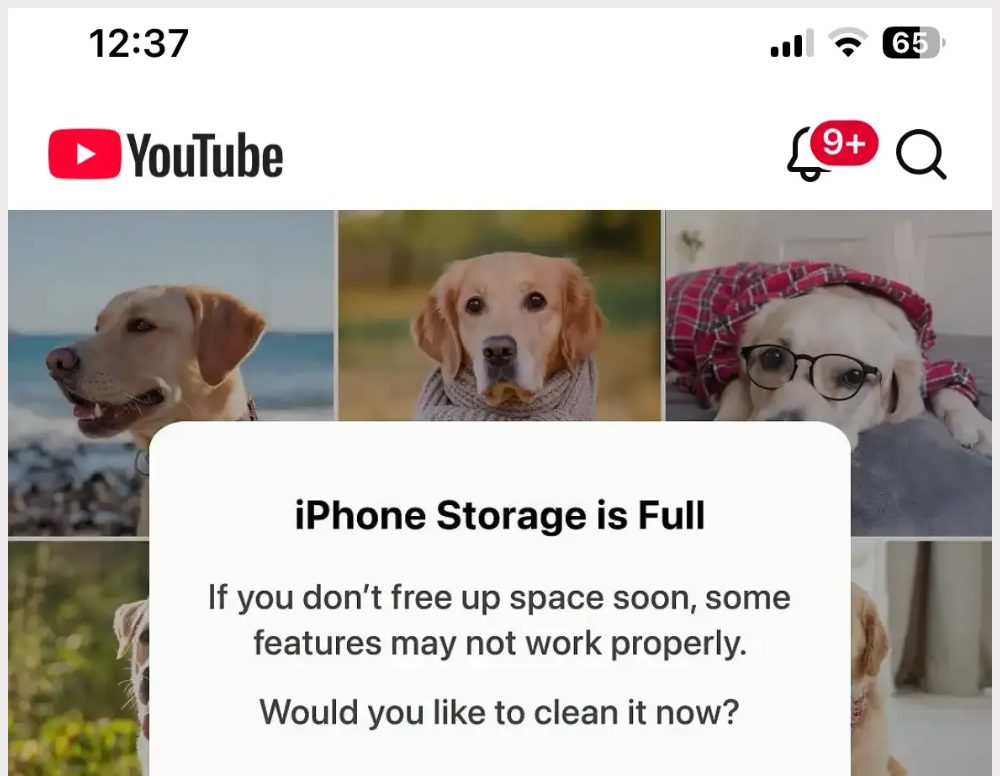
This image illustrates the deceptive 'system alert' tactics described in the article, specifically how ads mimic native OS components.
These buttons were non-functional static visuals. Instead of acting as system controls, clicking anywhere on the banner triggered a redirect to a third-party store or landing page. The ad also used fear-based tactics, claiming that certain device features would stop working if space was not freed immediately.
“Google’s own model rejects the ad in seconds, yet Google’s review process approved it twice.”
— Why is Google still serving dodgy ads?
AI Detection vs. Human Review
When submitted to Google's Gemini AI for evaluation, the model immediately classified the ad as 'DISAPPROVED.' Gemini identified three specific policy violations: Misleading Ad Design, Unreliable/Deceptive Claims, and the use of non-functional UI components.
Despite this clear AI classification, the ad was approved by human reviewers on at least two separate occasions. When users reported the ad, Google's official response stated that the advertisement did not go against their policies regarding harmful content or practices.
Operational and Economic Trade-offs
The gap between AI detection and human approval may stem from the sheer scale of the advertising ecosystem. Because the volume of ads often exceeds the capacity of human reviewers, some deceptive ads may slip through the net until they receive enough reports to trigger a manual review.
There is also a potential economic incentive at play. Because these deceptive ads are designed to generate high click-through rates, they are highly effective at generating revenue. This creates a conflict where the platform's financial interests might clash with the rigorous enforcement of its own safety and misrepresentation policies.
What Hacker News readers are saying
- Experience: One commenter who manages a website shared that they had to hire a full-time employee to manually monitor and block scam ads because Google's automated systems failed to catch nearly identical fraudulent creatives. comment ↗
- Skeptical: Several commenters suggested that Google may be prioritizing revenue over safety, arguing that the company might be intentionally allowing these ads because they generate significant profit and the company faces little liability. comment ↗
- Experience: A user who has run ads on the platform noted a discrepancy in enforcement, observing that their own ads were frequently blocked for minor technicalities while highly convincing scam ads were still approved. comment ↗
Summarized opinions from the Hacker News thread, not verified facts. Read the full discussion ↗