Ur-Nammu (circa 2112–2094 BCE) transformed the Mesopotamian landscape by transitioning from a regional governor to the founder of the Third Dynasty of Ur. His reign initiated the 'Sumerian Renaissance,' a period characterized by significant infrastructure projects, economic revitalization, and the establishment of a legal framework that prioritized civil stability over harsh retribution.
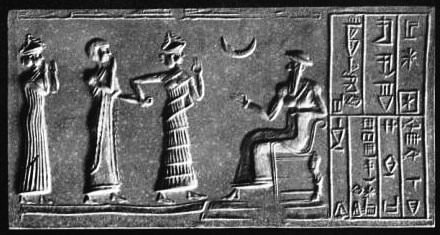
This image provides a visual representation of Ur-Nammu, the central figure of the Sumerian Renaissance.
Rise to Power and the Gutian Conflict
Following the collapse of the Akkadian Empire, the Gutians seized control of Mesopotamia, a period marked by a lack of interest in local religious practices and land maintenance. Ur-Nammu initially served as a governor of Ur, appointed by his father-in-law, the king of Uruk named Utu-Hegal.
When Utu-Hegal was killed, Ur-Nammu took a commanding role to defend Sumer against the Gutian forces. Although he led significant military campaigns, he was killed in battle in 2094 BCE before the Gutians were fully conquered; the final liberation of the region was completed by his successor, Shulgi.
The Code of Ur-Nammu and Civil Governance
Ur-Nammu is most famous for the Code of Ur-Nammu, a collection of 40 paragraphs outlining civil and criminal laws. Unlike the later, more severe 'eye for an eye' principles of Hammurabi, Ur-Nammu's code often utilized monetary fines in silver to address misdemeanors like broken teeth or limbs.
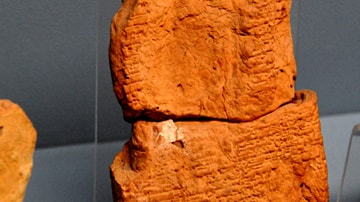
The image depicts the primary legal artifact discussed in the section on civil governance.
The code established specific penalties for crimes such as kidnapping, perjury, and robbery. By focusing on silver payments rather than physical retribution, the laws reflected a governing philosophy aimed at maintaining social order and protecting the well-being of the citizenry.
Infrastructure and the Sumerian Renaissance
The 'Sumerian Renaissance' was fueled by Ur-Nammu's extensive patronage of the arts and public works. He commissioned the Great Ziggurat of Ur and refurbished temples in cities like Eridu and Nippur, while also constructing magnificent walls and irrigation ditches to secure the food supply.
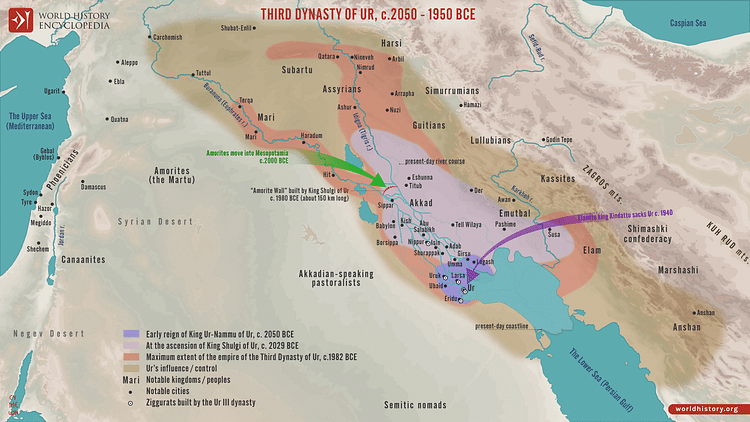
This map visualizes the regional landscape and territory established during Ur-Nammu's reign.
He also planted orchards and gardens to invigorate the economy. These efforts provided the social and economic stability necessary for Sumerian culture to flourish, eventually leading to his immortalization in literary works like 'The Death of Ur-Nammu and His Descent to the Underworld.'
Historical Nuance and Legacy
While Ur-Nammu is the primary figure associated with the law code, some scholars suggest his son Shulgi may have been the one to actually write or fully implement the laws. Regardless of the specific authorship, the code remains a primary artifact of early legal history.
Ur-Nammu's legacy is defined by his ability to align himself with the glory of past Akkadian heroes while establishing a stable, prosperous state. His reign provided the foundation upon which his son and successors could reach the highest elevation of Sumerian culture.