The URSALA, RAQUEL, and FARRAH satellites were a series of small electronic intelligence (ELINT) platforms developed by the U.S. National Reconnaissance Office under Program 989. Launched as subsatellites from larger HEXAGON photo‑reconnaissance vehicles, they entered roughly 509‑kilometer circular orbits and operated from the 1970s into the 21st century. Each unit was about the size of a large suitcase, spun rapidly to sweep its antennas over the Earth, and was designed to gather radar and other signals for later transmission or occasional real‑time relay to ground stations.
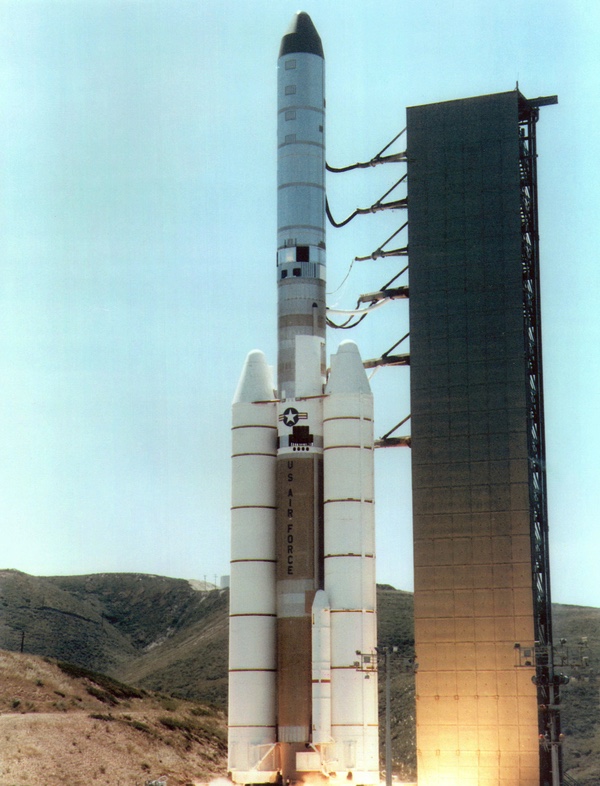
This image shows generic ELINT satellite imagery that supports the description of the URSALA, RAQUEL, and FARRAH platforms as small electronic intelligence satellites developed by the NRO.
The URSALA satellites functioned as ‘general search’ systems, intercepting the weaker side lobes of radar emissions across a 2 to 12 gigahertz band to detect pulsed emitters, primarily within the Soviet Union. RAQUEL took a more sophisticated approach, employing a spinning pencil‑beam antenna that maximized intercept time on short‑slant‑range targets, allowing precise geolocation of radar sources and measurement of technical parameters. While the released sources provide fewer specifics about FARRAH, it is described as part of the same evolving ELINT constellation that moved from bespoke, one‑off designs toward standardized, tactically useful spacecraft.
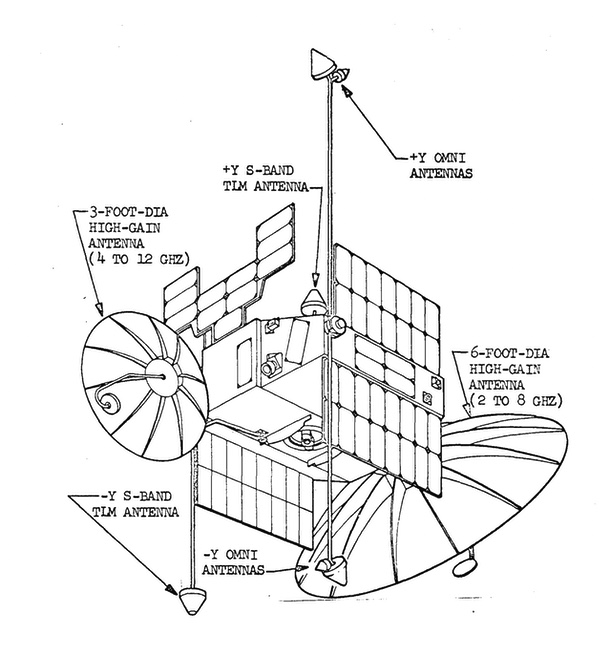
The image illustrates the technical aspects of ELINT interception, such as spinning pencil‑beam antennas mentioned for RAQUEL and general search systems for URSALA.
Perhaps most consequentially, these satellites enabled the birth of the Tactical Exploitation of National CAPabilities (TENCAP) program. By the mid‑1970s, Army and Air Force users sought direct access to the ELINT data, bypassing traditional national‑intelligence channels. A 1977 demonstration using data from URSALA III showed that a mobile antenna van and a processing van could receive and analyze satellite downlinks in near real‑time, providing battlefield commanders with electronic order‑of‑battle information about enemy radar deployments. This shift from strategic to tactical use marked a profound change in how space‑based intelligence supported warfighters in the field.
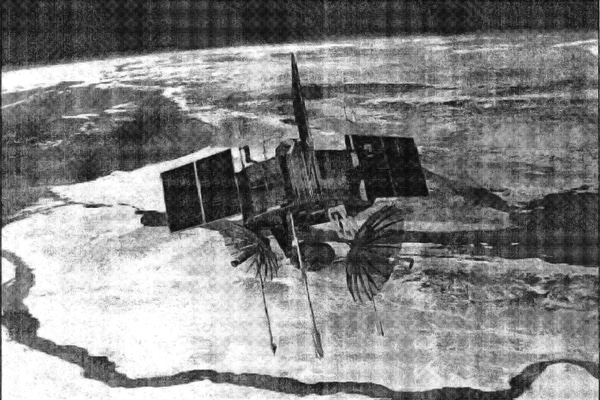
This image depicts the kind of ground equipment used in the 1977 TENCAP demonstration that received real‑time ELINT data from URSALA III satellites.