More than a quarter of the adult California sea lions that die at the Marine Mammal Center suffer from an aggressive, mysterious cancer that has plagued the species since at least the 1970s. This high rate of malignancy in a wild population has turned the center into a critical research hub, where necropsies provide a 'goldmine' of fresh tissue samples to help scientists understand the mechanisms of cancer development.
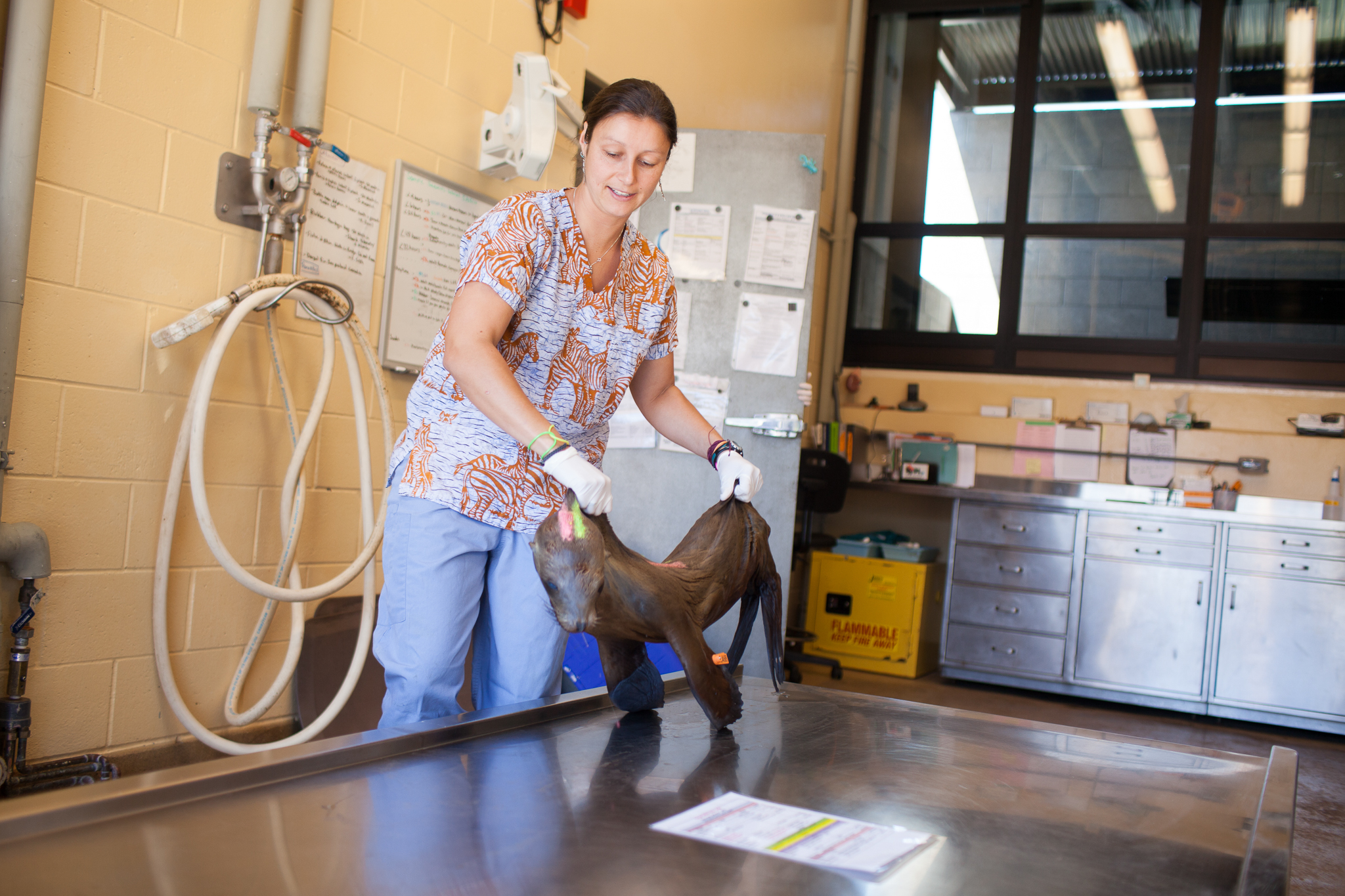
The image illustrates the necropsy process described as a 'goldmine' of tissue samples for cancer research.
The Mechanism of the Disease
The cancer typically manifests in the reproductive tracts of both male and female California sea lions. Over time, the tumors can infiltrate the backbone, turning vertebrae to 'mush' and causing partial paralysis in the animals.
Scientists have identified a previously unknown herpesvirus that appears in the tumors and reproductive tracts of cancerous sea lions but is rarely found in healthy individuals. While a definitive causal link has not yet been proven, the presence of the virus in nearly all affected cases provides a strong lead for viral oncology research.
“Because we have them in hand, we can obtain a lot of very fresh samples.”
— Cancer at Sea | bioGraphic
Environmental Stress and Population Impact
The surge in sick sea lions is linked to significant ecosystem stress, including 'the blob'—a patch of freakishly warm water—and a massive bloom of the algae Pseudonitzschia. This algae produces domoic acid, a toxin that concentrates in top predators and can cause seizures and brain damage.
These conditions have made it difficult for females to find enough food to produce milk, leading to a high mortality rate among pups. Currently, 80 to 90 percent of all California sea lion pups have died over the past three years, a phenomenon dubbed an 'unusual mortality event' by NOAA.
Scientific Trade-offs and Human Implications
Because the cancer is currently incurable and progresses painfully, sea lions that test positive via ultrasound are euthanized. However, these deaths provide researchers with high-quality, fresh tissue samples that are shared with laboratories around the world.
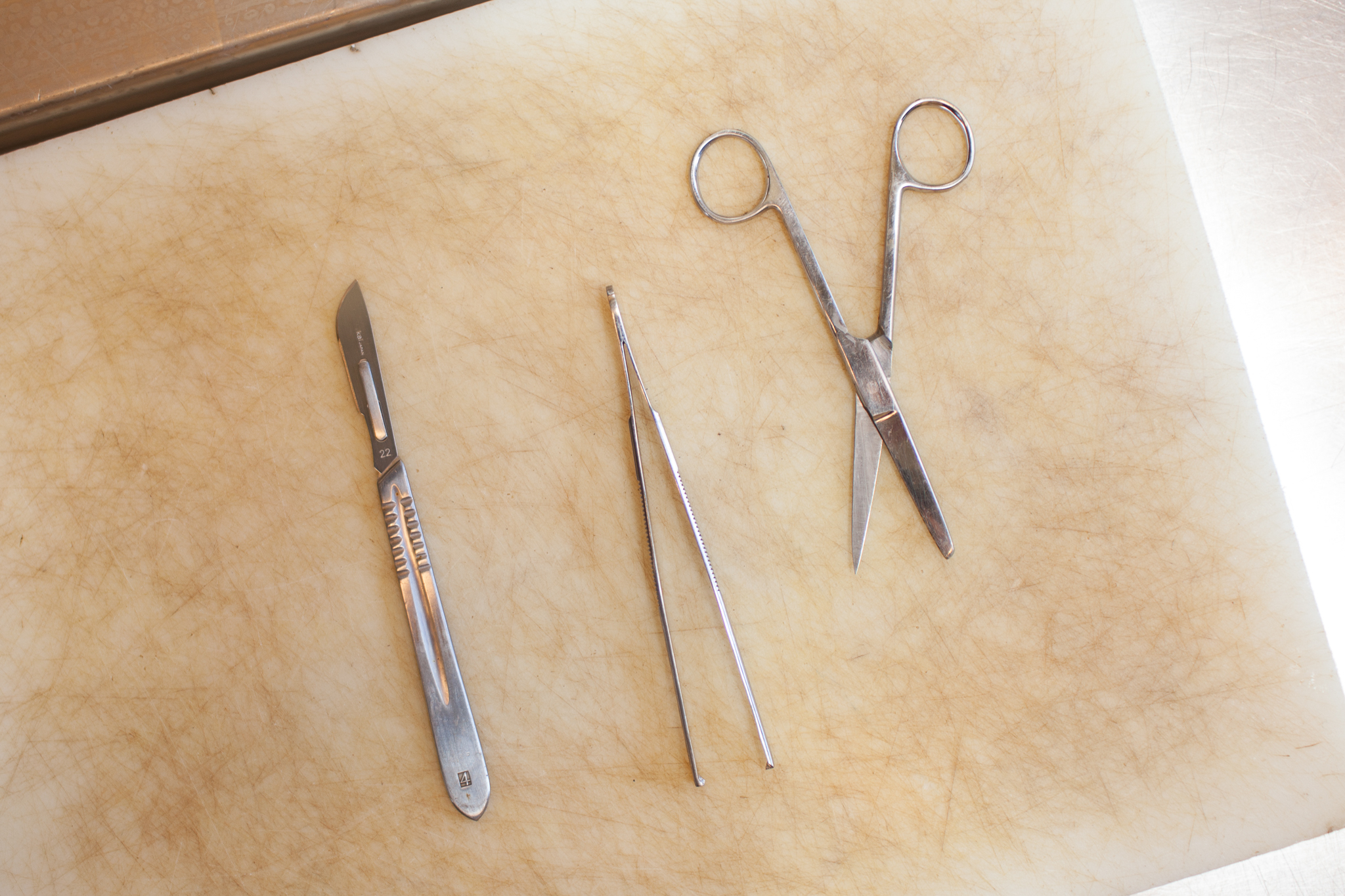
This visual supports the description of the necropsy procedure and the collection of fresh tissue samples.
The research aims to uncover how environmental stressors turn relatively minor infections into life-threatening diseases. By understanding these pathways in sea lions, scientists hope to gain insights into human disease susceptibility and the role of environmental factors in cancer development.