When a greenhouse is abandoned, it does not simply rot; it often becomes a site of accelerated botanical growth. Because these structures are specifically engineered to invite in sunlight and facilitate plant life, they provide a unique environment where nature can rapidly reclaim the architecture, turning a 'rotting' skeleton into a vibrant, self-sustaining ecosystem.
The Paradox of Growing Decay
Greenhouses are built to invite in the sun and encourage the growth of flowers and food. When these spaces are forgotten, the primary activity remains growth rather than just decomposition.
Over time, this growth creates a 'glass forest' where vines and other foliage wrap themselves around metal beams. These plants grip the structures tightly, almost caressing the rusting, rotting skeleton of a place that once provided jobs and food for the surrounding community.
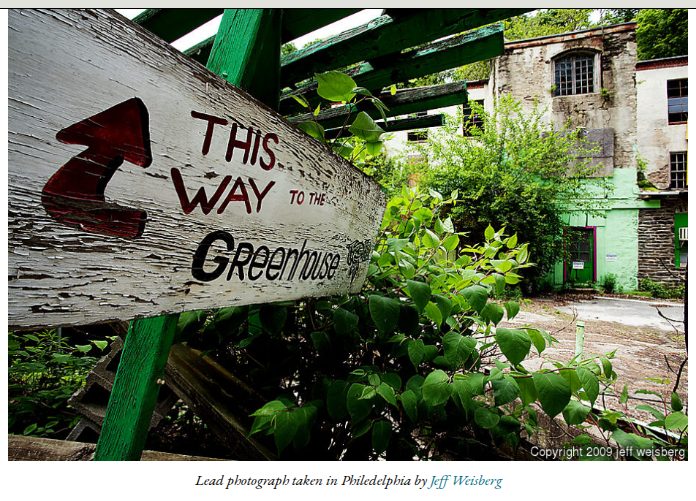
This image illustrates the concept of a 'glass forest' where nature rapidly reclaims architectural skeletons.
“once left to rot, it might not be doing much "rotting" as it is growing”
— A Compendium of Abandoned Greenhouses
Case Studies in Abandonment
Several sites demonstrate how economic and social shifts lead to these structures being left behind. The Boyce Thompson Institute, opened in 1924 to improve society through plant study, was abandoned in 1978 due to air pollution and property taxes.
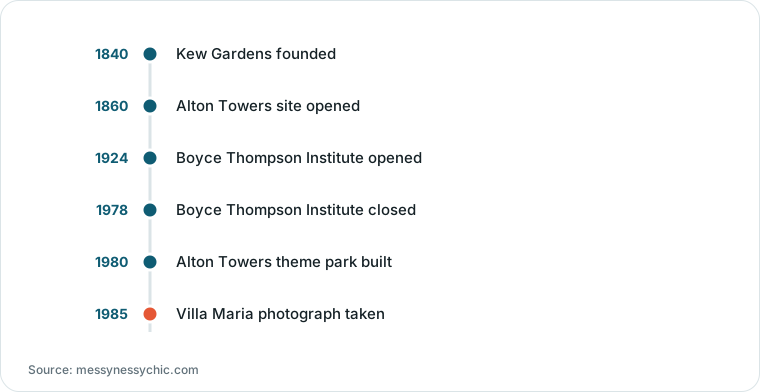
Chart drawn by HN Digest from figures reported by messynessychic.com; values are shown as written in the source.
Similarly, the Alton Towers site in England saw its greenhouse abandoned in 1980 when a theme park was built on the grounds. In these instances, the lack of human maintenance allows the interior to become a wild, unmanaged environment where plants can grow taller than human height.
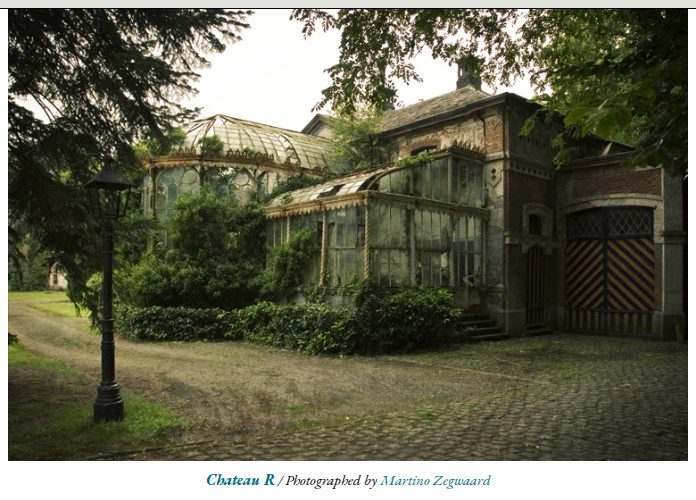
This visual supports the description of plants gripping and caressing the rotting skeleton of abandoned structures.
Preservation and Reclamation Trade-offs
The fate of these structures varies based on their historical or commercial value. While many sites are left to be reclaimed by nature, others undergo restoration to maintain their historical character.
The Villa Maria 'wintergarden' in northern Italy, which appeared abandoned in 1985, has since undergone restoration. This highlights the trade-off between letting a structure return to nature and preserving it as a historical artifact.
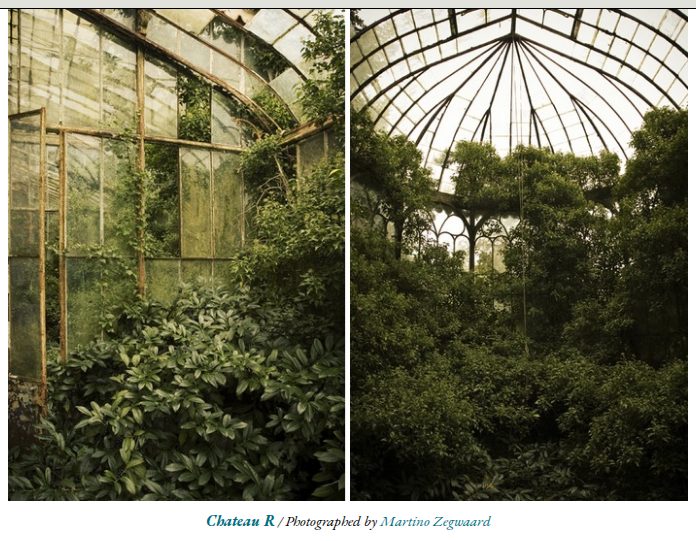
This image provides a specific example of the interior environment becoming a wild, unmanaged ecosystem.
While reclamation offers a unique aesthetic of 'natural destruction,' it eventually leads to the inevitable closure of the original architectural purpose.
Uncertainties in Reclamation
While the visual evidence of these 'glass forests' is striking, the specific ecological impact and the biodiversity of the plants that take over these structures remain largely undocumented in the provided records.
The long-term structural integrity of these buildings as they are gripped by vines remains an open question, as the very plants that provide the 'vibrant scene' may also contribute to the eventual collapse of the rusting skeletons.