On June 7, 1937, the city of Lansing experienced a 'Labor Holiday' organized by the United Auto Workers (UAW) to protest the arrest of union leaders, including the wife of UAW Local 182 president Lester Washburn. Approximately 15,000 union members participated in the strike, which involved closing factories, stores, and theaters across Lansing. As the demonstration expanded into the neighboring city of East Lansing, union members—often referred to as the 'flying squadron'—attempted to convince local merchants to shut their doors in solidarity. This effort met unexpected resistance from students at Michigan State College (MSC), now known as Michigan State University. The students, who relied on local restaurants and businesses for their daily needs, viewed the union's actions as an infringement on their community. The conflict intensified when students, including members of the Reserve Officers' Training Corps (ROTC), began physically confronting the unionists. Reports indicate that students pulled union members from their vehicles and threw several individuals into the Red Cedar River. The confrontation, which involved hundreds of students and union members armed with clubs and construction materials, eventually subsided after union leaders called for a cessation of hostilities. While the event was celebrated by some contemporary observers as a defense of local autonomy, it remains a largely forgotten episode in the history of labor relations and student activism in the United States.
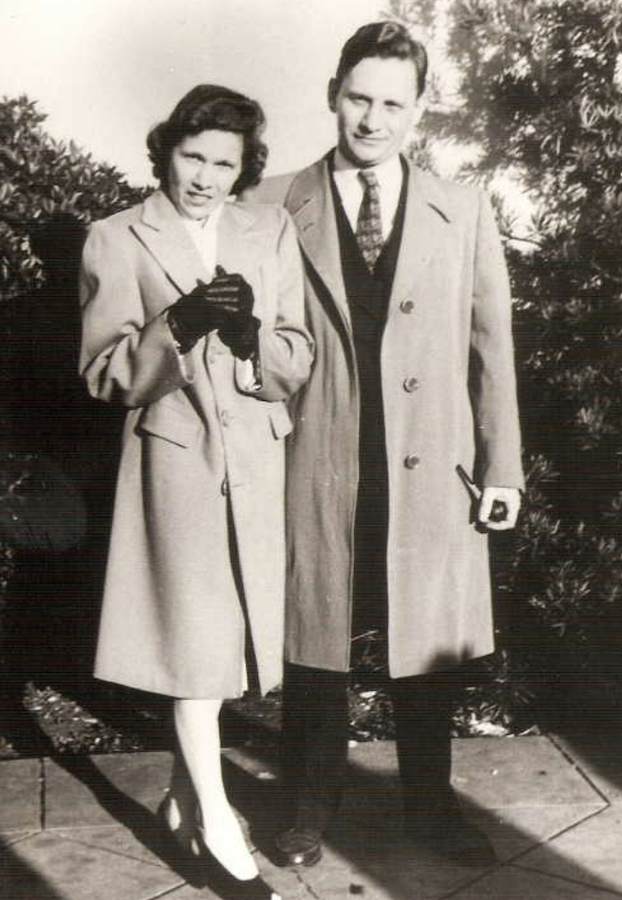
The 1937 Labor Holiday was organized by the UAW to protest the arrest of union leaders, including Nevah Washburn, the wife of UAW Local 182 president Lester Washburn.
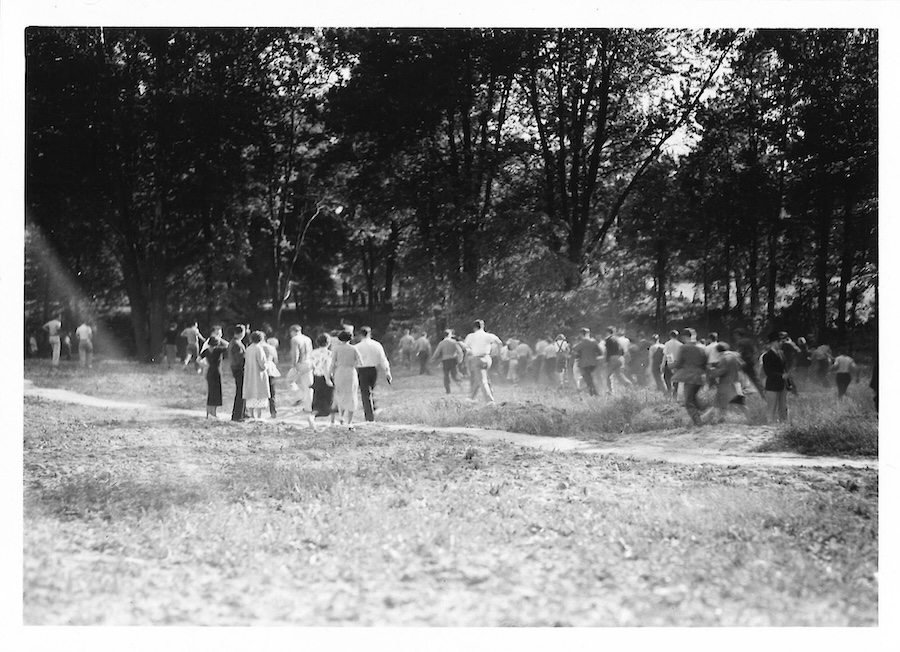
The conflict escalated when Michigan State College students began physically confronting unionists, with reports noting that students threw several individuals into the Red Cedar River.